Ancient India Hygiene Obsession That Put the Modern World to Shame
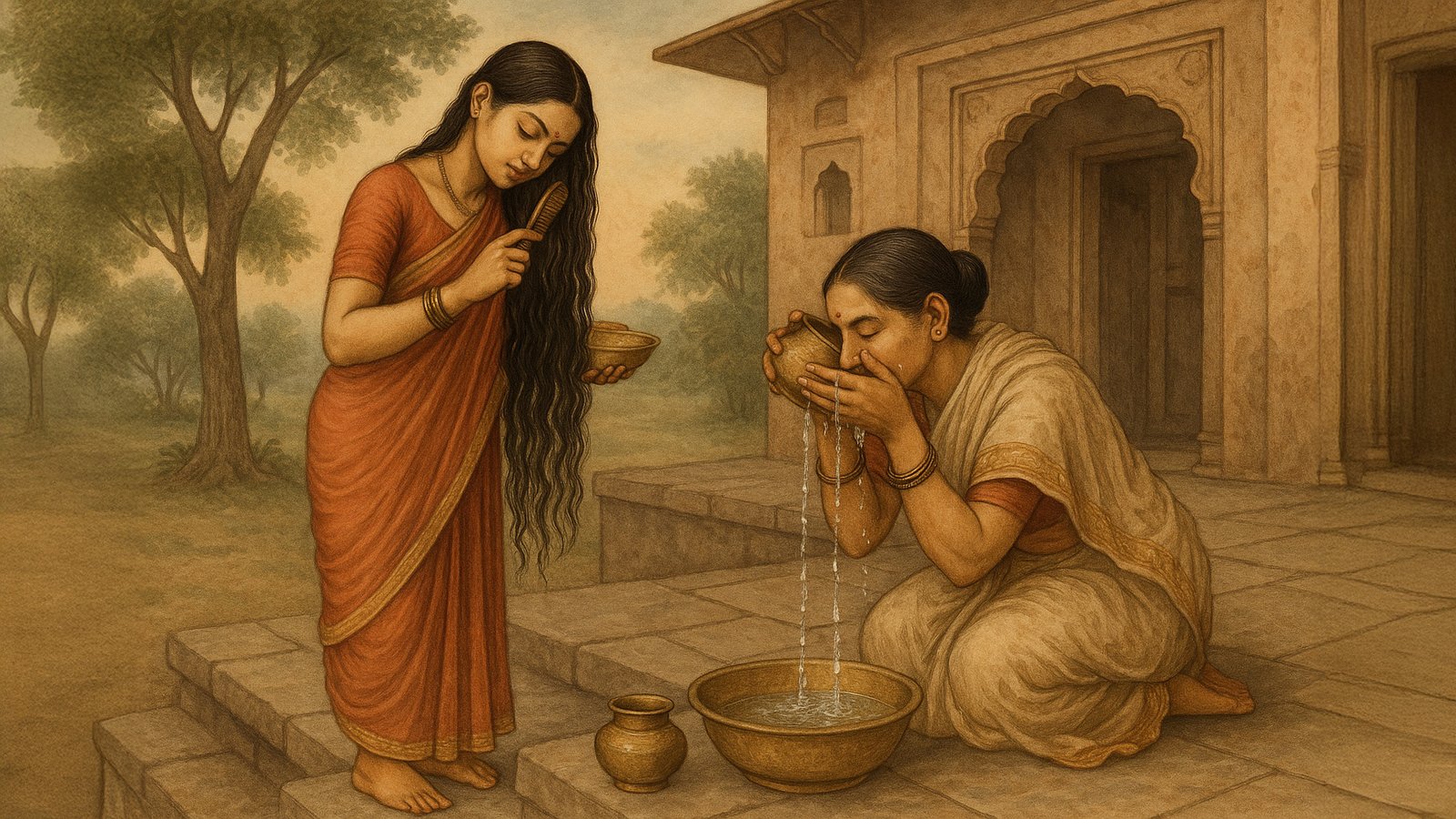
The story of ancient India hygiene habits starts with the Indus Valley cities that behaved as if modern plumbing arrived a few millennia ahead of schedule. Mohenjo‑Daro didn’t wait around for Romans to invent aqueducts; it built brick drains that ran neatly under the streets, flowed with enviable efficiency, and would make many modern municipalities blush. People lived with bathing platforms right inside their homes and poured water down early flushing toilets that channelled waste into covered drains. Archaeologists keep finding terracotta pipes that look suspiciously like the ancestors of suburban plumbing, except without the cheerful sound of someone upstairs forgetting to turn the tap off.
Wander through these ancient streets in your imagination and the first thing that strikes you is how intentionally everything fits together. Houses face courtyards, wells sit in convenient corners and drains run in straight lines as if the city elders held a design meeting and agreed that order matters. They didn’t stumble into hygiene; they built it brick by brick, believing that water flows best when humans get out of its way and let gravity do the rest. That Great Bath at Mohenjo‑Daro still radiates a sort of quiet grandeur, as if the city planners wanted to leave a reminder that communal cleanliness also brought communal dignity.
Harappa shares much of this character, showing the same odd combination of ambition and practicality. There’s something endearing about a civilisation that adored symmetry so much it extended it to drainage. Everything looks as if the architects were secretly hoping to impress their future admirers. Dholavira joins them with its own mastery of water management, turning arid landscapes into an orchestra of reservoirs and channels. People didn’t just survive the climate; they met it halfway with steps, tanks and clever engineering that kept bathing and washing integrated into daily life.
Oral hygiene also held a central place in later Indian traditions, long after the Indus cities fell silent. Ayurveda treated the mouth as a gateway to the rest of the body. Practitioners swished warm sesame oil across their teeth and gums every dawn, a ritual modern wellness blogs like to rediscover as if they’ve unearthed a lost secret. Herbal tooth sticks flavoured with neem, liquorice or clove stood in for toothbrushes, and they did a remarkably good job keeping teeth clean at a time when sugar wasn’t plotting its global takeover. People scraped their tongues, rinsed after every meal and treated the morning routine as a sacred obligation rather than a chore performed with half‑open eyes.
Bathing carried layers of meaning that went beyond soap and water. Step into early India and you find a world where rivers symbolised renewal and purity. The Ganges became the star of this worldview: people sought its waters not just to clean their bodies but to refresh their spirits. A dip at dawn felt like a reset button for the soul. Baths in tanks, ponds and stepwells played the same role, offering spaces where hygiene merged seamlessly with ritual.
Ancient India’s relationship with water reads like the plot of a long romance—full of practicality, symbolism and a hint of drama. Villages dug wells, towns built stepwells that spiralled into the ground and cities carved reservoirs into the earth with geometric precision. Each structure whispered the same message: water keeps everything going, so treat it with respect. People approached it with gratitude, turning their daily washing routines into small ceremonies. That habit stayed alive for centuries, carried across empires and dynasties until it felt like part of the landscape itself.
If the Indus Valley dealt with hygiene through architectural genius, Ayurveda tackled it through daily discipline. Morning rituals began before sunrise with oil pulling, massaging the gums and rinsing the mouth. Bathing came next, followed by self‑massage with herbal oils that left the skin nourished and the mind alert. Each act built on the previous one, creating a rhythm of cleansing that aimed to keep the body balanced and diseases at bay. The approach feels surprisingly modern: start the day with intentional self‑care, not a mad scramble for coffee and keys.
Herbal powders often replaced soaps, especially in regions where perfumed plants grew in abundance. A paste of gram flour, turmeric and sandalwood could scrub, soothe and protect all at once. People believed that the body responded well to natural ingredients, a belief with enough staying power that many modern Ayurvedic products still follow similar formulas. This wasn’t a culture waiting for commercial skincare; it relied on kitchen shelves and garden herbs to do the work.
Communal baths played an important social role, particularly in towns where water supplies were shared. They offered places where news travelled faster than water trickled, where elders exchanged stories and where the act of bathing doubled as a moment of connection. Privacy mattered less than the shared rhythm of keeping clean, and nobody fussed about steam fogging the conversations. The idea that hygiene also knits a community together isn’t new; ancient India practised it daily.
Ritual baths added another layer of meaning, blending religion with routine. People stepped into sacred waters believing that purity worked both ways: cleanse the body and the mind follows. Festivals often included mass baths, turning riverside ghats into bustling landscapes of colour, chants and splashing water. There was something deeply democratic about it. Kings, merchants and farmers all waded into the same river, watched by the same rising sun.
Traveling along this long timeline, hygiene appears as a thread woven through the fabric of life rather than an occasional concern. People shaped their environments to favour cleanliness, and they shaped their customs with equal care. They understood that good hygiene keeps people healthier, communities happier and cities functioning without chaos. They built systems that endured, from terracotta drains to stepwells that still stand.
The legacy of ancient India’s hygiene practices lingers today. Oil pulling found its way into fashionable self‑care routines. Herbal tooth sticks now sit on eco‑friendly shop shelves. Stepwells draw curious travellers who marvel at their beauty and wonder how such structures felt so modern. Even the humble morning bath retains its hold on cultural imagination, reminding people that cleanliness can lift the mood as much as it refreshes the body.
Look closer at this history and the most surprising thing is how little the underlying philosophy changed. Cleanliness wasn’t merely about avoiding dirt. It represented order, balance, clarity and respect for natural forces. People believed that water behaved like a moral agent—rewarding those who treated it well. The feeling survives in countless rituals and habits, passed down with the quiet persistence of everyday culture.
By the time later civilisations began boasting about aqueducts and bathhouses, ancient India had already written its own manual on how to keep cities and people clean. The Indus Valley gave the subcontinent a blueprint for urban hygiene, and Ayurveda refined the personal routines that supported it. Together they formed an approach that felt both scientific and spiritual, blending the practical with the poetic.
Spend a moment imagining a dawn at the Ganges thousands of years ago. Mist lifts off the water while people step into the river holding a mixture of reverence and routine. A woman scrubs her arms, a man rinses his face and children splash around without a care in the world. Priests chant, merchants prepare for the day and farmers wash away yesterday’s dust. The air smells of fresh water and a hint of incense. The scene captures everything ancient India believed about hygiene: keep the body clean, honour the water, and let the mind follow.
Ancient India’s hygiene story leaves one final impression: it wasn’t striving to be advanced. It simply understood that clean, well‑planned spaces help people live better lives. That truth travels well across millennia and still feels refreshingly sensible today.