Ancient China Hygiene and the Clever Systems Behind It
Ancient China hygiene: a topic that rarely appears on postcards, yet without it the great dynasties would have smelled very different. Picture a bustling Han alley at dawn. Smoke curls from breakfast stalls, silk dresses rustle past, merchants shout over fresh produce, and behind all that daily noise sits an attitude that placed cleanliness somewhere between habit and moral virtue. People didn’t just try to keep their bodies tidy. They framed hygiene as a way to show character, discipline and respect. A neat robe and clean hands meant you understood your place in society. Grooming served as a visual statement of good behaviour.
The cities themselves tried to follow suit. Archaeologists have found sewage pits and drainage systems beneath streets that look surprisingly modern. Some old towns hid ceramic pipes running below courtyards, guiding waste away from homes. The pits weren’t glamorous, but they worked. Even more impressive, they kept neighbourhoods healthier than many medieval European towns that would appear a thousand years later. Households often built latrine chambers that dropped straight into deep cesspits. You walked in, handled business and let gravity take care of the next steps.
The countryside provided a different set of solutions. Farmers didn’t just accept waste as an unfortunate part of life. They turned it into pig food. The combined latrine and pigsty became a small triumph of ancient engineering. Waste fell into a trough accessible to pigs, which treated it like an uncontroversial buffet. Visitors from later eras might find the idea unsettling, yet it solved two issues at once: disposal and feeding. Rural families praised the system because it saved their time and produced well-fed animals. Environmentalists today would call it a circular economy. The villagers simply called it practical.
Daily personal care began early in the morning. People rinsed their faces, tidied their hair and straightened their clothing before stepping outside. A dishevelled appearance invited judgement, and judgement travelled fast. Confucian ideals shaped that ritual. Cleanliness signalled an ordered mind. Dirt suggested a lack of discipline. Even meals started with handwashing. Parents taught children from a young age that clearing up after oneself was a sign of good upbringing. In a society obsessed with propriety, hygiene acted as social currency.
Bathing changed across dynasties and regions. Some people bathed frequently, others planned their baths according to season, fuel or water supply. Warm baths appeared early, and by the time the Han dynasty rolled around, cities held bathhouses that offered hot water, oils, towels and attendants who scrubbed your back while politely judging your posture. Wealthier households kept their own bathing vessels, made from ceramic or carved stone, and filled them with heated water for evening relaxation. The Tang era made bathing fashionable. Urban bathhouses glowed with lanterns and laughter, becoming social hubs where gossip steamed as freely as the water.
Teeth caused their own daily fuss. Silk floss helped remove stubborn bits of food. Chew sticks carved from aromatic woods offered a quick scrub. People powdered herbs like ginger, salt, cloves, ginseng and mint to create early forms of toothpaste. A whiff of one of those blends might clear a room today, but the mixture kept teeth clean and breath tolerable. Mouth rinses enjoyed their moment too. Green tea emerged as a favourite. Its tannins cut through odours, and its antibacterial properties gave everyone a reason to keep sipping. Poets mentioned white teeth as a mark of beauty, and etiquette manuals warned that bad breath could ruin one’s entire reputation.
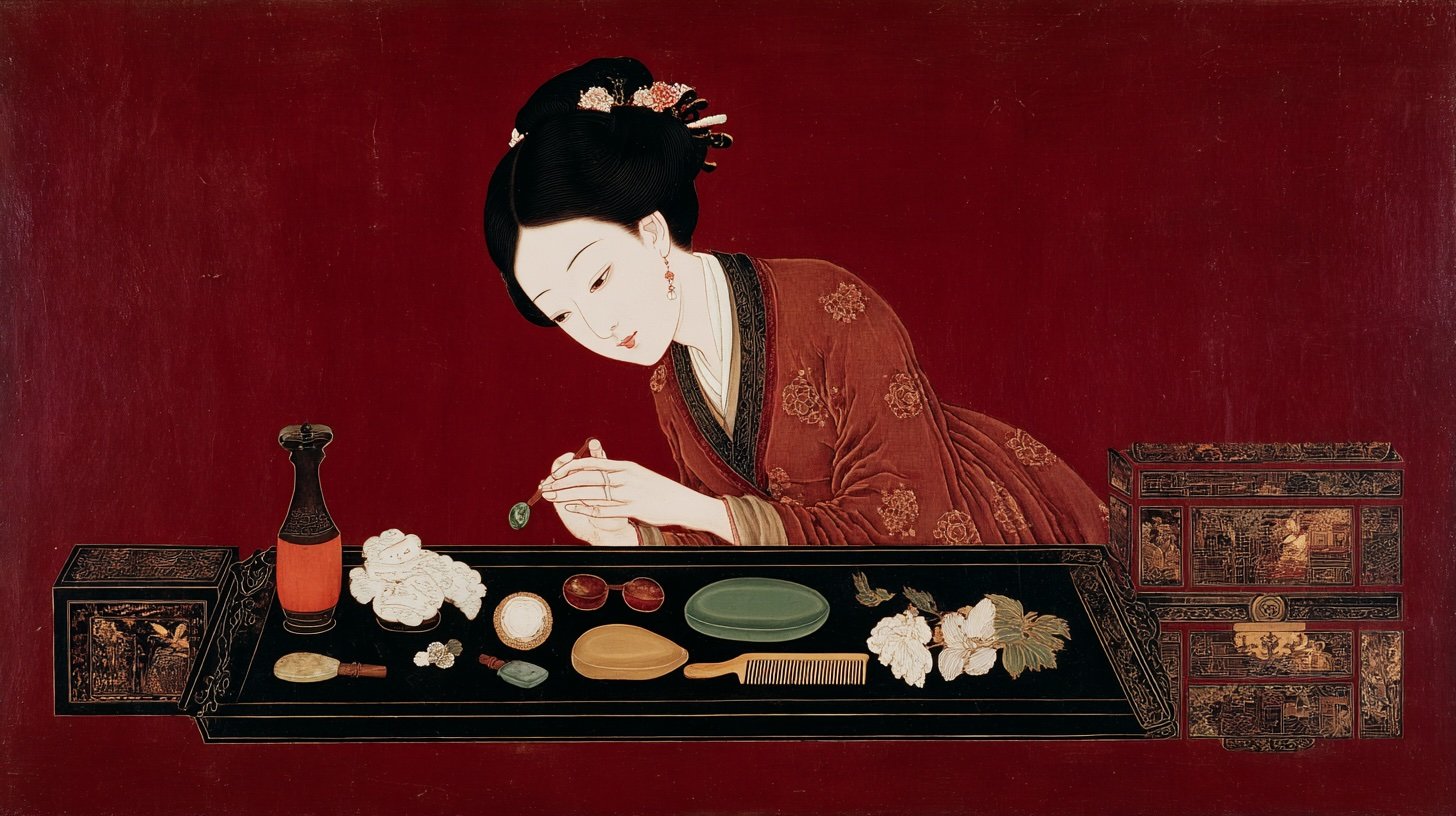
Cosmetics became part of the daily ritual, especially for women of the elite. They used rice flour, pearl powder and sandalwood to brighten skin. Oils softened the complexion, while herbal infusions soothed irritation. The most famous tools turned out to be jade rollers. Carved from cool stone, they glided across cheeks and foreheads, leaving a pleasant chill. People believed jade encouraged vitality, reduced puffiness and kept the face smooth. That belief placed jade rollers somewhere between beauty tool and medical instrument. They appeared in tombs alongside brushes, combs and scented boxes, suggesting that nobody wanted to face the afterlife looking tired.
Clothing required just as much attention. Linen and hemp garments soaked up sweat during warm seasons, so families washed them often. They relied on cleaning agents made from plant ash, soapberry extract or fermented rice water. The scent may not inspire a luxury brand today, but the method kept fibres fresh. People dried clothes under strong sunlight, convinced it helped ward off illness. Riverbanks buzzed with activity as villagers scrubbed and rinsed their laundry, chatting through their chores. Even the most remote communities maintained washing points where daily life unfolded along the water.
Urban cleanliness mattered to officials. Edicts from various dynasties urged residents to sweep streets, remove stagnant water and maintain orderly courtyards. Cities built waste pits at strategic corners. Collectors roamed at night to empty household cesspits, providing a public service that rarely received poetic praise. Travellers sometimes noted how surprisingly clean these cities felt. While not every street dazzled, the overall effect impressed those who expected chaos and found a thoughtful system instead.
Daily kits grew more sophisticated as time went on. People carried combs for lice control, nail tools for grooming and cloth towels for wiping the skin. Aromatic sachets became common accessories, filled with herbs like aloeswood or chrysanthemum. These sachets hung from belts or sleeves. They didn’t mask every odour of bustling cities, yet they made personal space more pleasant. Cosmetic boxes, often lacquered in red or black, contained powders and small puffs. A well-stocked kit signalled refinement.
Medical texts contributed their share of advice. Works like the Huangdi Neijing tied personal cleanliness to internal balance, arguing that dirt and stagnation harmed the flow of qi. Bathing schedules followed the seasons. Hair washing occurred at intervals suited to one’s constitution. Menstrual hygiene featured in guidelines that recommended absorbent cloths washed and dried under the sun. Infants received careful cleaning with warm water and cloths. Physicians claimed these routines protected families from illness.
These habits didn’t appear out of nowhere. Trade routes carried new ingredients into the empire. Contact with neighbouring cultures introduced fresh practices. Buddhism added its own emphasis on ritual cleansing, especially before prayer or meditation. Monasteries maintained high standards of personal and environmental hygiene, influencing nearby communities. Travellers picked up habits during long journeys, bringing them home to share with neighbours.
Though standards varied between rich and poor, urban and rural, north and south, the broader pattern remained clear. People cared about cleanliness, linked it to health and regarded it as part of civilised behaviour. Bad smells caused embarrassment. Good grooming earned respect. The entire system sat on a foundation of practicality and aesthetics.
Some of the most charming artefacts highlight that attitude. Lacquered washbasins carved with animal motifs. Bronze mirrors polished to a shine. Jade scrapers shaped with elegant lines. Ceramic drain pipes decorated with simple but pleasing patterns. These objects show that hygiene wasn’t a chore. It combined usefulness with beauty, turning everyday care into an art.
Even in times of war, famine or political upheaval, people found ways to maintain standards. Refugees carried grooming tools in their bundles. Soldiers wrote letters home mentioning the luxury of a proper bath. Poets joked about the torment of long marches without clean socks. Humour softened the discomfort, but the underlying expectation stayed firm.
When you look at these practices today, you see the layers that built them. A philosophy that valued moral clarity. A medical tradition that emphasised balance. A practical streak that turned latrines into pig-feeding systems. A sense of beauty that transformed cosmetics into treasured objects. A commitment to order that shaped city planning. Together they created a hygiene culture that rarely receives the spotlight yet deserves admiration.
So when someone imagines ancient life as dirty or chaotic, Ancient China proves the picture too simple. People found clever ways to keep themselves and their surroundings clean. They built infrastructure that worked. They treated grooming as part of daily life. They used ideas, tools and ingredients that still echo in routines today, from herbal tooth powders to jade rollers.
All these habits formed a quiet but powerful part of civilisation. They kept cities liveable, homes comfortable and people respectable. They also offer a reminder that hygiene isn’t only about scrubbing dirt. It reflects how a society sees itself and how it wants to be remembered. In the case of Ancient China, the message becomes clear: cleanliness isn’t just next to virtue. In their eyes, it practically defined it.