Alternative Milk Madness: How We Got Obsessed with Liquid Plants
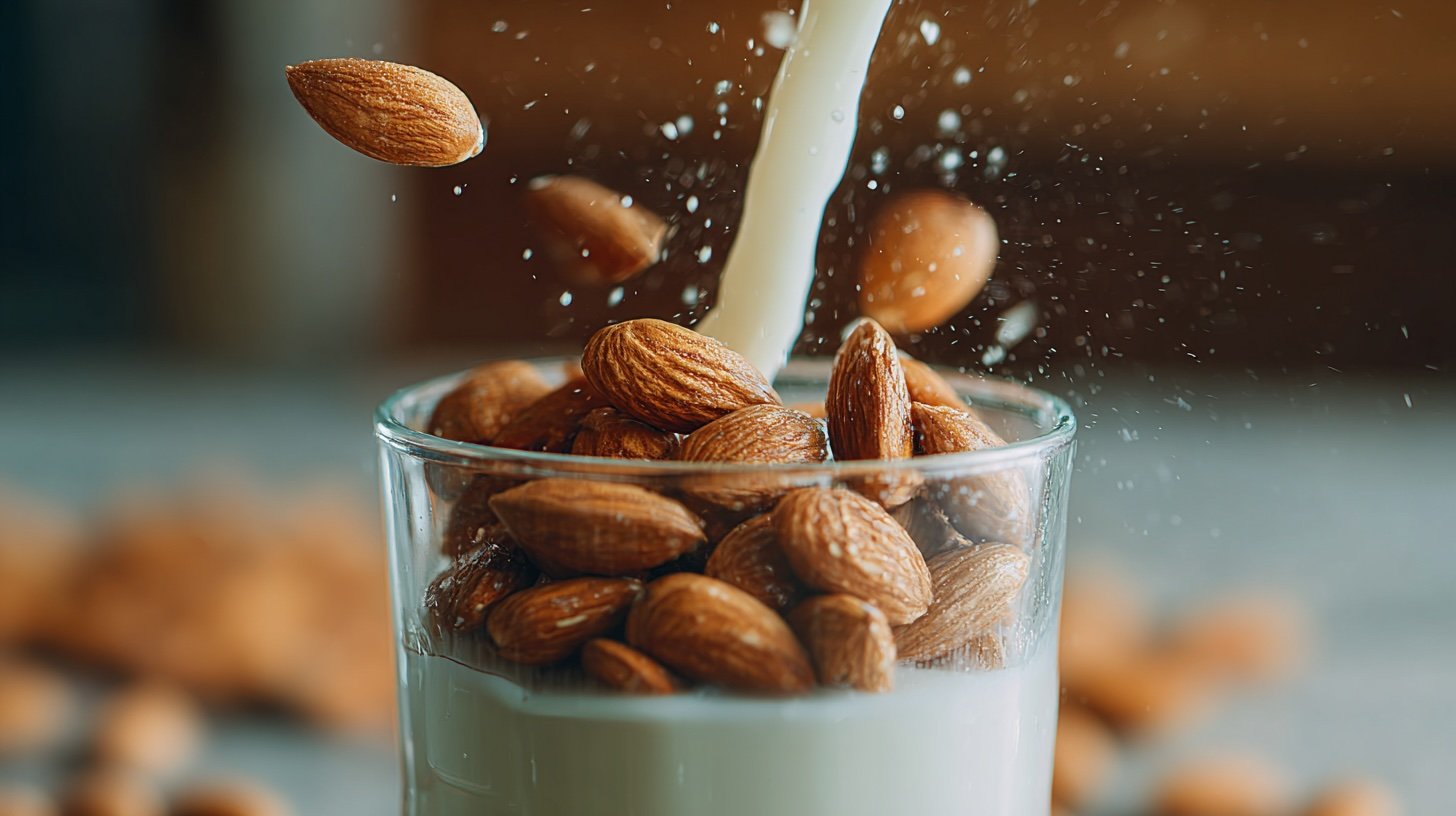
There’s a curious thing about milk these days: most of it doesn’t come from cows anymore. It comes from oats, almonds, soybeans, rice, peas, even potatoes. The supermarket fridge has become a kind of United Nations for liquids pretending to be milk or “alternative milk”, for that matter. They wear innocent labels like “Barista Oat” or “Unsweetened Almond,” but behind the wholesome fonts lies a cloud of confusion, controversy, and—let’s be honest—a fair amount of nonsense.
It’s the perfect setting for myths to thrive. Every flat white warrior seems to have their own belief system: some say oat milk will save the planet; others insist it’s a sugar bomb in disguise. One camp swears soy milk will mess with your hormones, while another insists almond milk is killing the bees. Somewhere in the middle stands the dairy loyalist, smirking with a glass of semi-skimmed, whispering, “Told you so.” Let’s wander through the myths and see who’s actually right.
The first myth is the easiest to spot: all plant-based milks are nutritionally equal to cow’s milk. They’re not. Cow’s milk is a nutritional heavyweight—protein, calcium, iodine, vitamin D, B12. Most plant-based alternatives are lightweight contenders. Sure, they’re low in saturated fat, but many lack the stuff that keeps your bones, muscles, and thyroid happy. Only a handful of fortified brands can match cow’s milk for calcium and vitamins. Unfortified versions? They’re basically flavoured water with good PR.
Then comes the protein myth. “It’s milk, so it must have protein,” people assume, stirring almond milk into porridge. Not quite. Cow’s milk gives you about eight grams per cup. Most almond and rice milks give you two—sometimes one. Oat milk hovers around three. Soy milk does better, but only just. If you rely on these drinks for breakfast sustenance, you might end up running on empty before lunch. They’re fine for coffee; less fine as a meal.
Next up, the health halo. Many people switch to plant milks because they think they’re automatically healthier. The reality? It depends on the context. Yes, they have less saturated fat and no cholesterol, but a lot of them come sweetened, flavoured, or with gums and oils that sound suspiciously like chemistry experiments. Oat milk is naturally higher in carbs and sugars. Almond milk has hardly any nutrition unless it’s fortified. Coconut milk? Delicious, yes, but packed with saturated fat. It’s all about trade-offs.
Then there’s soy—the misunderstood elder of the alternative milk clan. For decades it’s been accused of feminising men and wreaking havoc on hormones. In truth, you’d have to drown in soy milk for that to happen. Scientific studies have shown that moderate soy consumption has no measurable effect on testosterone or fertility. In fact, soy is one of the few plant milks that can actually rival cow’s milk for protein. But bad rumours stick, and soy’s PR recovery is still in progress.
Now, onto the eco-warriors’ favourite argument: plant milks are better for the planet. Generally, yes—they use less land, fewer cows, and produce fewer greenhouse gases. But that doesn’t mean they’re all equal. Almond milk guzzles water like there’s no tomorrow, especially in drought-prone California. Rice milk produces methane, which isn’t ideal either. Oat and soy are better bets for sustainability, but even they come with caveats like fertiliser use and transport emissions. The green choice isn’t black and white—it’s beige, like the liquid itself.
Of course, there’s the sugar trap. “Unsweetened” doesn’t always mean sugar-free. Oats are naturally high in starch, which breaks down into sugar during processing. So your oat milk latte might spike your blood sugar more than you’d expect. That said, the glycaemic index is still lower than soft drinks, and it’s not exactly a crime to enjoy something that tastes nice. Still, reading labels before you pour is an adulting skill worth mastering.
And then there’s the kids. Somewhere out there, well-meaning parents are giving toddlers almond milk thinking it’s a gentle, ethical alternative. But unless those drinks are fortified, they can’t replace cow’s milk for young children. Lacking iodine, calcium, and protein, they risk nutritional deficiencies that make paediatricians twitch. The general advice? Plant milks can play a part, but not the starring role, at least not until your child’s diet is broad enough to make up for what’s missing.
A fun twist: “alternative” milk isn’t even that alternative globally. Long before the flat white boom, people were milking plants everywhere. Coconut milk has been a tropical staple for centuries. Soy milk has fuelled breakfasts across East Asia for generations. Rice milk, peanut milk, sesame milk—they’re traditional, not trendy. The Western world just repackaged them in sleek cartons with minimalist fonts and started charging triple.
Another myth worth poking: plant milks are boring. They’re not. The range is wild. Oat milk is creamy, sweet, and perfect for coffee. Almond milk is light and nutty, better for smoothies. Soy is robust and earthy, perfect for cooking. Coconut milk is dessert-level indulgence, and pea milk—yes, that’s real—is surprisingly high in protein. Each has a personality. The trick is finding one that matches yours, or your coffee machine’s.
But we can’t talk about this without mentioning marketing. “Dairy-free” doesn’t mean “angelic.” It just means it came from a factory instead of a farm. The industrial process to turn oats into something resembling milk is fascinatingly complex: enzymes, filters, stabilisers, pasteurisation. It’s more lab coat than milkmaid. And while that doesn’t make it bad, it’s worth remembering that these drinks are products of modern food engineering, not quaint rustic purity.
Let’s talk taste wars. The world has split into factions over which plant milk froths best. Oat milk generally wins for its barista skills. It foams like dairy and plays well with espresso. Almond milk curdles if you so much as look at it wrong. Soy is stable but divides opinion on flavour. Coconut milk smells like a tropical holiday—which isn’t ideal in an Americano. The science of plant milk frothing is now serious business; some brands even customise enzyme ratios to mimic the microfoam of dairy. If that sounds absurdly specific, it’s because it is.
And then there’s the money. Let’s be honest: plant milk is expensive. A litre of oat milk costs roughly double what you’d pay for dairy. Part of that is marketing, part is processing, and part is the cost of our collective guilt over cows and climate. But the industry is booming. Global sales of plant-based milk are projected to exceed $30 billion by 2030. Not bad for something that was once a niche vegan curiosity.
The big dairy industry hasn’t taken this lying down. It’s been lobbying to restrict the word “milk,” arguing that you can’t milk an almond. The European Court of Justice even ruled in 2017 that “milk” is reserved for animal-derived products, though exceptions exist for traditional names like coconut milk. Predictably, that just made everyone talk about it more. “Oat drink” doesn’t have the same ring, but consumers don’t seem to care. Marketing won.
Behind the silliness, there’s something revealing about our relationship with food. We’ve turned milk—a basic staple—into an identity statement. Your choice of milk now says something about you: ethical, trendy, health-conscious, intolerant (lactose-wise, not socially), or just indecisive. People order oat lattes as if they’re voting. Maybe they are. Food has become politics, and milk is the manifesto.
So where does that leave us? Somewhere between nostalgia and innovation. There’s no single truth about alternative milks—only trade-offs. Dairy has its strengths and environmental baggage; plant milks have convenience, ethics, and a few nutritional holes. The smart thing isn’t to pick a side; it’s to pick what fits your needs, your conscience, and your coffee habit. And perhaps to remember that moderation—boring old moderation—is still the secret ingredient.
If nothing else, the rise of alternative milks has given us options. It’s made breakfast more interesting, coffee culture more complicated, and shopping aisles more confusing. But it’s also pushed us to think about where our food comes from and what we value: health, sustainability, taste, or just good foam. So go ahead, pour whatever you like. Just don’t call it milk unless you’re ready for a debate at brunch.