13 Yule Lads: Icelandic Christmas With a Twist
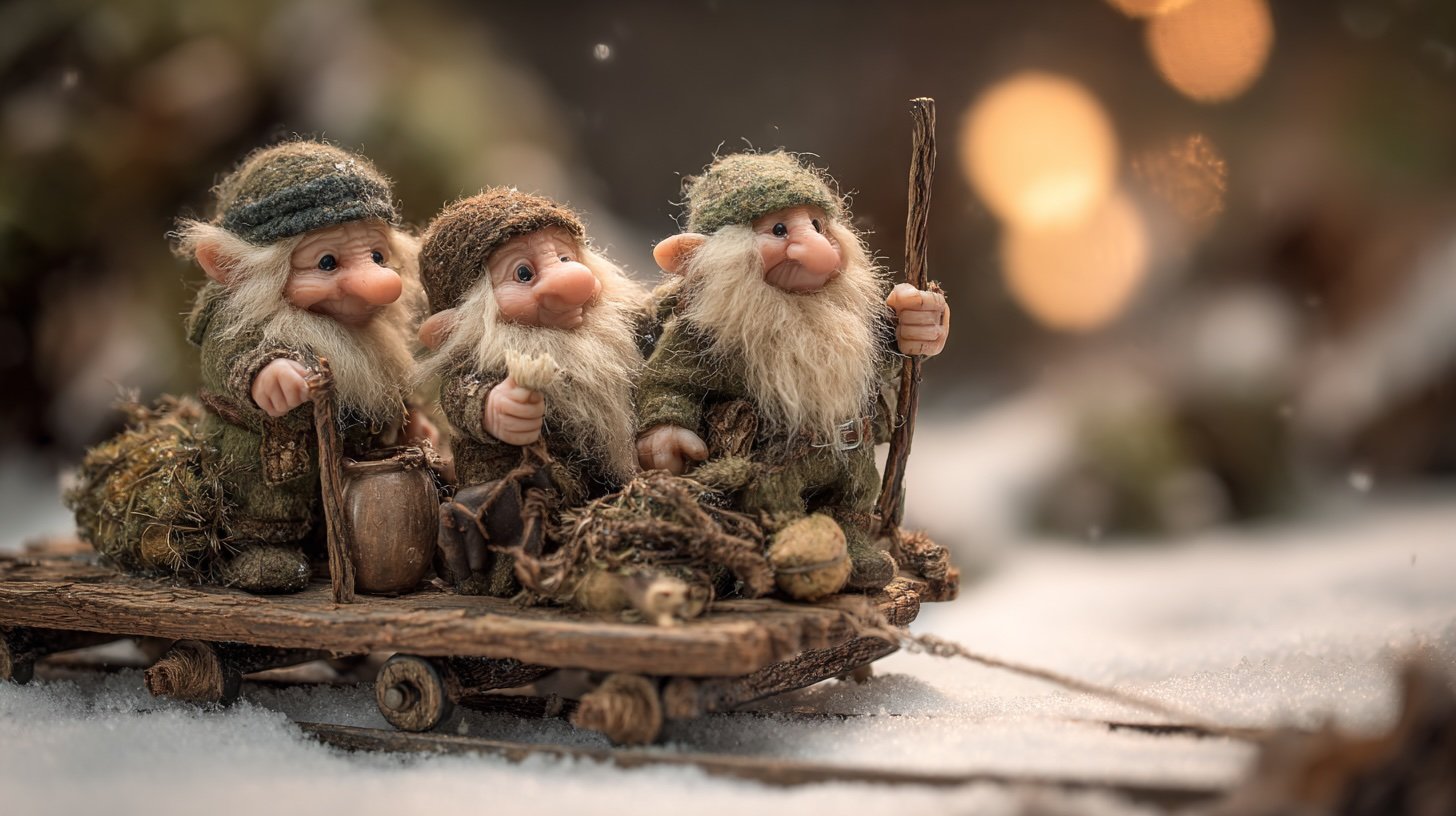
Iceland’s 13 Yule Lads wander into the season like a rotating cast of cheerful troublemakers, and Icelandic children greet them with the sort of pragmatic anticipation that comes from centuries of folklore. A single Father Christmas feels almost minimalist compared to this unruly troupe. These lads appear one by one during December, crowding the calendar with odd habits, loud personalities and appetites that sound suspiciously like late-night snacking disguised as mythology.
The stories began in a much darker key. Icelandic families used folklore to nudge children towards decent behaviour when winter nights stretched endlessly and the wind howled like something with a grievance. Grýla, the fearsome troll-mother of the Yule Lads, lurked in these tales as an expert in collecting disobedient children. Her cauldron supposedly bubbled away with suspicious enthusiasm, and parents found this theatrically effective. Over time, the sharp edges softened. The Lads became mischievous rather than menacing, and Grýla herself slipped gradually into a supporting role. Yet her shadow still lingers just enough to add a thrilling undertone to the festivities.
Children today approach the season with a much lighter heart. They place a shoe on the windowsill, a modest domestic ritual with surprisingly high stakes. Wake up on the right side of the behaviour spectrum, and the visiting Lad might leave a small treat, perhaps a sweet or a token. Lean towards mischief, and the shoe may cradle a potato, placed with a level of calm disappointment that only Icelanders can deliver. The Yule Lads’ nightly visits turn the long winter evenings into a slow-burn countdown filled with anticipation, mild anxiety and the occasional squeak of a closing window.
Each Lad arrives with a personality so sharply defined it borders on performance art. Stekkjarstaur, the first to appear, reveals a questionable interest in sheep. His stiff legs hinder his mobility, but he somehow still manages to wander into barns, eyeing the sheep as if they are withholding something. He signals the start of the Yule parade on 12 December, setting a tone of delightfully odd energy.
Giljagaur follows, draped in the aura of someone who believes hiding in gullies near cowsheds counts as a respectable occupation. He waits patiently for a moment of distraction before trying to nab fresh milk. Icelanders tell these tales with affectionate exasperation; Giljagaur’s antics fit comfortably into the landscape of folklore where weather, livestock and unpredictable relatives all matter equally.
Then comes Stúfir, widely known as Stubby. His distinguishing feature is an apparent lack of height, though he compensates with efficiency. He heads for kitchens and claims frying pans like prized treasure, scraping off leftovers with the zeal of someone who has attended too many family buffets. The comic contrast between his tiny frame and big culinary ambition makes him a fan favourite.
The utensil-focused theme continues with Þvörusleikir, the Spoon-Licker. His devotion to wooden spoons feels almost spiritual. He lurks near cooking areas, waiting for the moment a cook steps aside, then swoops in to liberate the spoon of whatever remains. He never seems embarrassed by this behaviour, and the children find the idea of a spoon-obsessed Lad enchanting.
Not to be outdone, Pottaskefill arrives with dreams of pots to scrape. In earlier centuries, this must have felt like a practical menace. Kitchens were the heart of the home, and cleaning pots was no laughing matter. Yet Pottaskefill, with his shameless enthusiasm for leftover stew, has transformed over time into a benign, slightly gluttonous character.
Askasleikir takes a different approach. He specialises in bowls placed on the floor or under beds, a practice that used to be common in simpler times. The thought of him waiting quietly under a bed, ready to steal the bowl placed there, captures the peculiar mixture of the homely and the uncanny that Icelandic folklore handles so well.
As the sequence unfolds, Hurðaskellir bursts onto the scene with very little interest in food and every interest in acoustics. His love for slamming doors resonates throughout the night, bringing an almost slapstick quality to the season. Anyone who has shared a house with an over-excited relative during the holidays will recognise the type.
Skyrgámur’s entry marks a return to culinary chaos. Iceland’s beloved skyr, the cultured dairy staple, becomes his obsession. He prowls for opportunities to devour any unattended bowl. Locals smile knowingly: skyr is a national treasure, and seeing it woven into folklore feels like confirmation that Icelanders never miss a chance to celebrate dairy.
Then comes Bjúgnakrækir, whose dedication to stealing sausages feels almost operatic. Historically, sausages used to hang from rafters to smoke. The Lad would sneak up, climbing into the shadows and claiming them with enviable agility. His role speaks to a time when food was precious, storage methods were inventive and thieves came with folkloric flair.
Gluggagægir shifts the mood. He peers through windows, always on the lookout for something to take. Modern retellings portray him as curious rather than creepy, but he comfortably occupies that ambiguous territory where folklore thrives. The idea of him pressing his nose against a cold pane on a dark night remains one of the more atmospheric moments of the Yule Lad cycle.
Gáttaþefur brings a huge nose and specialised culinary instincts. He detects the scent of baked goods like laufabraud with uncanny precision. His approach is enthusiastic rather than subtle, and children find the combination of giant olfactory skills and festive bread irresistible.
Close to Christmas Eve, Ketkrókur arrives wielding a meat hook with cheerfully questionable intentions. He steals meat with a confidence that suggests this has always worked for him. The hook adds theatricality, and families treat his visit as a humorous nod to traditional winter feasts.
On the final night, Kertasníkir appears. Candle-stealing once had real stakes: candles made from tallow were precious. Today, he drifts into homes with a gentler aura, more curious than cunning. His arrival on 24 December completes the full procession of personalities, each leaving behind a sense of playful anticipation.
Taken together, the Yule Lads create a rich patchwork of Icelandic winter storytelling. They represent old fears softened into seasonal charm, mischief reimagined as entertainment and traditions kept alive through laughter, ritual and the occasional potato in a shoe. Icelanders celebrate them with affectionate humour, welcoming each one as both a reminder of the past and a delightful companion to the present.
The country’s winter landscape lends itself to these stories. Long nights, volcanic silhouettes and swirling snow forge an atmosphere where imagination behaves differently. You can stand in a quiet street in Reykjavik or among lava formations in Dimmuborgir and almost picture the Lads navigating the darkness, driven by hunger, curiosity or the irresistible desire to slam a door.
Folklore thrives when passed from one generation to the next, reshaped but recognisable. The Yule Lads have travelled this path effortlessly. They’ve moved from cautionary figures with sharp teeth and sharper reputations to gentle mischief-makers. Their annual descent brings a streak of playful disorder to the midwinter routine, and Iceland’s children embrace the unpredictability.
There’s something deeply human about celebrating characters who embody appetite, noise, curiosity and stubborn determination. The Lads behave like an exaggerated collection of holiday guests. One person eats the pudding meant for tomorrow. Another bursts through doors with no understanding of hinges. A third hovers near the cheese board, pretending not to be entirely responsible for its shrinking size.
In this way, the folklore works as a seasonal mirror. It reflects what families recognise in themselves: the chaos, the humour, the quirks inherited across generations. The Yule Lads feel familiar not because we all keep bowls under our beds or worry about meat hooks, but because their behaviours echo the minor transgressions that make holidays lively.
As Iceland grows ever more connected to the wider world, the Lads’ fame grows with it. Visitors seek them out in Christmas markets, gift shops and museums. Schoolchildren recite their names with pride. Artists portray them with styles ranging from delightfully silly to elegantly eerie. Even those who claim not to believe in such things admit that December feels incomplete without these 13 visitors stepping, stomping or sneaking their way into the season.
The Yule Lads endure because they carry a sense of place. Their habits reflect Iceland’s landscape, weather, food traditions and humour. They thrive in the long dark, turning winter into a stage for spirited antics. Their presence makes the season feel fuller, stranger, funnier and somehow more honest.
For a country shaped by the extremes of nature, having folklore that embraces both mischief and warmth feels fitting. The Lads arrive like a parade of eccentric uncles, each bringing something familiar yet unpredictable. You never quite know what they’ll do, but you’re glad they show up every year, keeping the cold nights lively and the festive spirit gloriously offbeat.